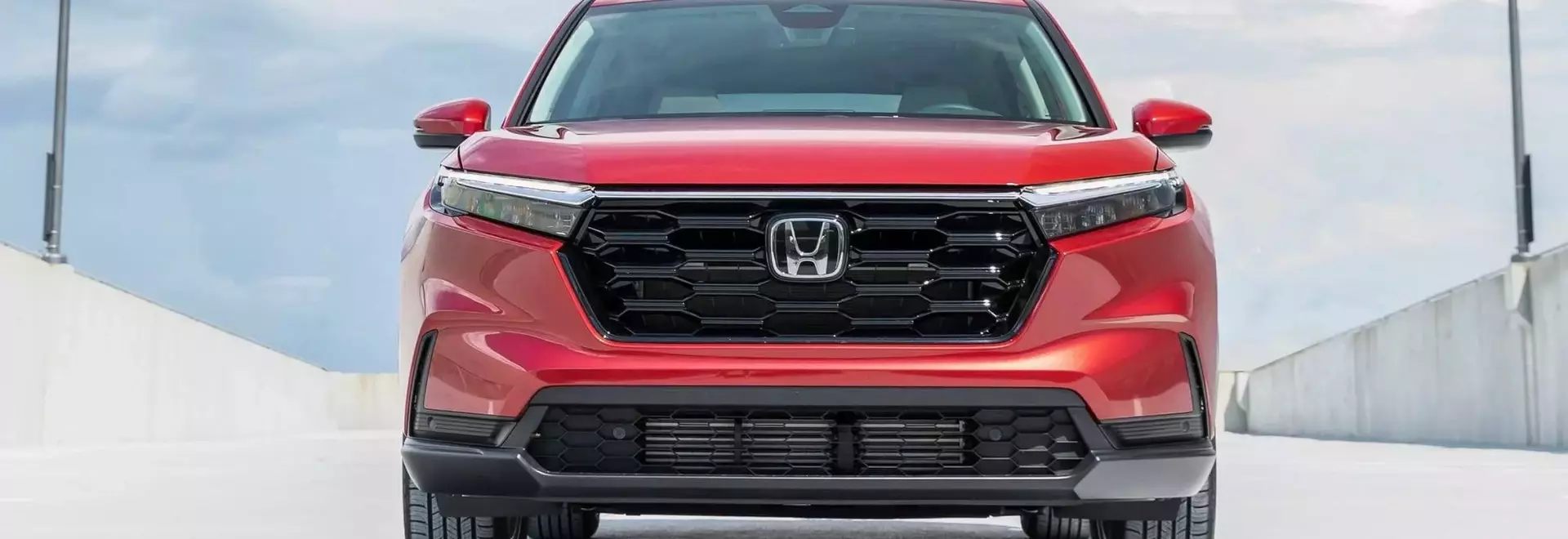
2026 Honda CR-V Faces Scrutiny Over Windshield Wiper Malfunctions
Owners of the Honda CR-V are expressing considerable dissatisfaction regarding the functionality of the vehicle's windshield wiper system. Despite advancements in automotive technology, this popular SUV appears to suffer from fundamental design flaws in its wipers, which are causing significant visibility problems for drivers. These issues, ranging from inefficient spray nozzle placement to inadequate coverage by the driver-side blade, have been extensively documented across various online platforms and consumer safety databases. The recurring complaints underscore a potential safety hazard that Honda may need to address, especially for a model that has seen robust sales performance.
The two primary concerns involve the wiper system's spray nozzles and the coverage area of the driver's side wiper. The nozzles, integrated into the wiper arms, activate only when the blades are midway up the windshield, leading to an ineffective cleaning process, particularly in adverse weather. Furthermore, the driver's side wiper consistently fails to reach the far edge of the windshield, leaving a crucial section uncleared. These deficiencies compromise driver visibility and safety, prompting calls for potential remedies or even a recall from affected owners who believe such basic functionalities should be perfected in modern vehicles.
Flawed Windshield Cleaning System in the CR-V
Owners of the Honda CR-V are encountering significant problems with the vehicle's windshield wiper system, primarily centered around the ineffective placement and operation of the spray nozzles. These nozzles, instead of being positioned on the hood for optimal fluid dispersal, are located directly on the wiper arms. This design choice leads to a critical flaw: the cleaning fluid only begins to spray when the wiper blades are approximately halfway across the windshield. Consequently, a substantial portion of the lower windshield remains untreated, making it challenging to effectively clear dirt, debris, or precipitation. This issue is particularly pronounced in conditions involving snow or ice, where a thorough initial spray is crucial for maintaining clear visibility. Many drivers have voiced their frustration, noting that this design impedes proper windshield cleaning and can compromise driving safety.
The current design of the CR-V's wiper-mounted nozzles appears to fall short of its intended purpose, which was presumably to reduce wind deflection and eliminate blind spots often associated with traditional hood-mounted nozzles. However, numerous complaints on social media platforms and submissions to the National Highway Traffic Safety Administration (NHTSA) indicate that the engineering of these nozzles is inadequate. Owners report that the delayed spray action results in fluid being immediately pushed off the windshield by the moving wiper blades, often onto the side windows, further obstructing the driver's view. This design flaw makes it nearly impossible to achieve a thoroughly clean windshield, a basic expectation for any modern vehicle, and it creates a persistent visibility challenge that many owners find unacceptable for a vehicle introduced in 2026.
Insufficient Wiper Coverage and Potential Safety Implications
Beyond the spray nozzle issue, Honda CR-V owners are also reporting a significant problem with the driver-side windshield wiper's coverage. Many drivers have observed that this wiper blade does not extend fully to the left edge of the windshield, leaving a noticeable and often substantial portion of the glass uncleared. This uncleaned area can accumulate dirt, water, or snow, creating a persistent blind spot that directly impacts the driver's forward visibility. The problem has been described as inconsistent, with some owners noting that the wiper functions correctly only when the vehicle is in Accessory Mode, while others have been told by dealerships that this gap is an intentional or normal part of the design, which further frustrates them.
The lack of full windshield coverage by the driver's side wiper is not merely an inconvenience; it poses a genuine safety risk, especially in adverse weather conditions. Poor visibility is a known contributor to accidents, and a design flaw that consistently leaves a section of the windshield obstructed raises serious concerns for drivers. Numerous reports have been filed with the NHTSA, and owners frequently discuss these issues on online forums, hoping for a resolution. Given that visibility-related defects are often considered critical safety concerns leading to vehicle recalls, the ongoing complaints about the CR-V's wiper performance highlight an urgent need for Honda to investigate and rectify these problems to ensure driver safety and confidence in their vehicles.