BMW's Innovative Approach to Eliminate New Car Odor
BMW is taking an innovative step to refine the in-car experience by systematically eliminating the well-known 'new car smell.' This characteristic aroma, often perceived as desirable, is actually a complex blend of volatile organic compounds (VOCs) emanating from the myriad of synthetic components within a freshly manufactured vehicle. To address this, the German automaker has established a dedicated team of 'sniffers' who work in conjunction with sophisticated odor labs, aiming to achieve a neutral cabin environment rather than simply masking odors with a more agreeable scent. This commitment underscores BMW's focus on material science and air quality, moving beyond traditional perceptions of car interiors.
The meticulous process employed by BMW's "nose team" involves a comprehensive evaluation of all materials used in the car's interior. Since 1999, their odor laboratories in Munich, and later in Shenyang, China, from 2014, have been instrumental in this effort. Materials are placed in heated chambers designed to simulate the conditions inside a hot car cabin. The air within these chambers is then analyzed for VOCs and assessed by expert evaluators against strict reference standards. This multi-stage testing begins with individual components, progresses to larger assemblies like seats and headliners, and culminates with a full vehicle assessment. This holistic approach is crucial because the combined effect of various materials can alter their olfactory properties, especially under elevated temperatures. Nils Hesse, BMW's VP of Product Sustainability, emphasizes the real-world perspective: "A car doesn't exist in a lab, but with its occupants," highlighting the importance of evaluating the entire system.
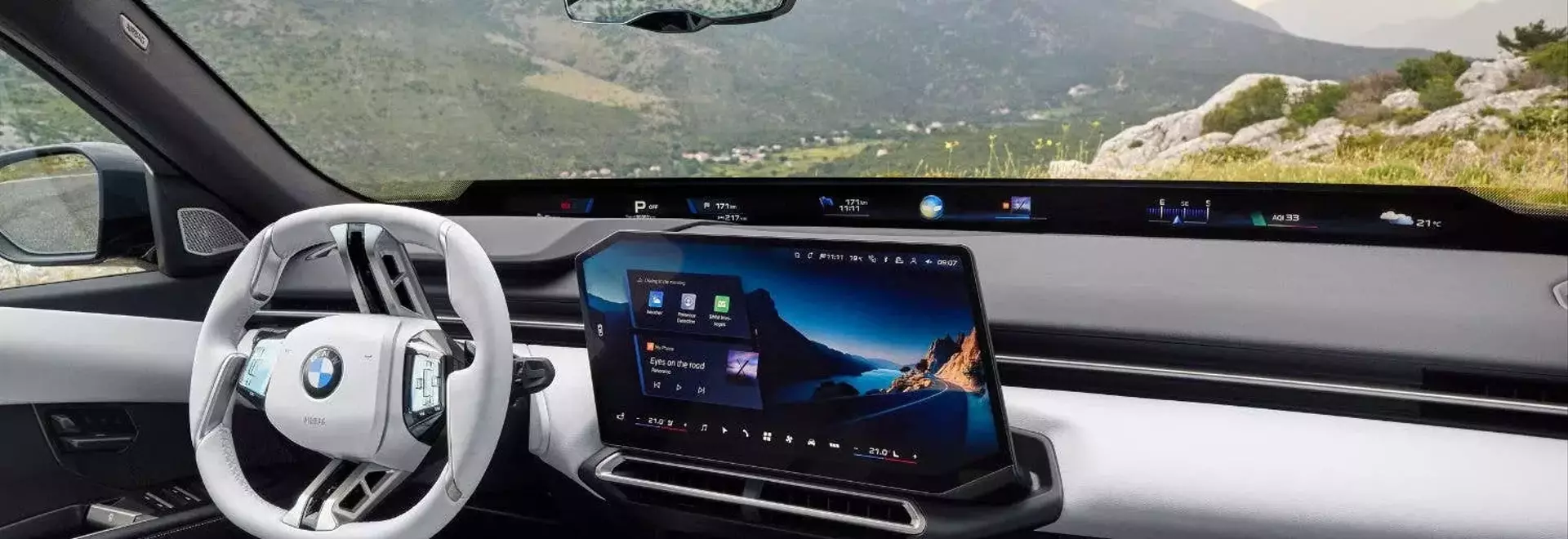
While the elimination of the new car scent may not directly impact owners of other car brands, BMW's scientific methodology offers fascinating insights into cabin air quality. A key finding is that heat exacerbates VOC emissions; warm summer conditions tend to increase these emissions, whereas cold winter temperatures reduce them. BMW also notes that the adoption of modern microfiber materials contributes to lower emissions and avoids animal-derived proteins, which can be a source of odor as natural leather ages. This contrasts sharply with older vehicles, where the scent of aged materials can define the interior ambiance. For instance, the upcoming Neue Klasse iX3 will feature a multi-stage Nano Filter, further ensuring that occupants breathe exceptionally clean air. For those with existing vehicles experiencing undesirable smells, the general recommendation remains to open windows and park in shaded areas. For new cars, consistent ventilation can reduce VOCs by approximately 20% each week, gradually diminishing the initial smell over the first few months of ownership.
The underlying motivation for BMW's initiative stems from health considerations. Some VOCs, such as benzene and formaldehyde, are recognized human carcinogens. Although typical concentrations within car cabins are generally not deemed a severe health risk, BMW's proactive stance reflects a commitment to occupant well-being. Unlike the United States, which lacks federal regulations for in-car air quality, China mandates chemical testing before vehicle sales. BMW's philosophy is that a car cabin devoid of distinct odors signifies a well-engineered and healthy environment, providing a tangible benefit to its customers beyond mere aesthetics.