Control Resonant Review: A Gripping Narrative in a Disappointing Combat System
"Control Resonant" transports players into a New York City distorted by the intervention of other-dimensional powers. The protagonist, Dylan Faden, awakens from a prolonged coma to find himself at the epicenter of a metaphysical conflict, tasked with confronting the tumultuous interdimensional forces that have reshaped Manhattan into a surreal and baffling labyrinth. While the game's environmental design and profound narrative captivate, its combat mechanics, which revolve around a transforming melee weapon, frequently feel uninspired and repetitive. Nonetheless, the compelling storyline, enhanced by Dylan's intricate character arc and the nuanced performances of the Federal Bureau of Control (FBC) staff, ensures an immersive and memorable journey.
Remedy Entertainment's latest creation stands out for its masterful environmental artistry, presenting a world where the familiar is juxtaposed with the utterly alien. The game excels in crafting a setting that is both visually stunning and narratively rich, drawing players into its mysterious universe. However, the experience is somewhat hampered by combat sequences that, despite their potential for spectacle, often become a tedious grind against foes with excessive health. This contrast highlights a central tension in the game: a brilliant world held back by uninspired action. Yet, for those willing to look past the repetitive engagements, "Control Resonant" offers a narrative and atmospheric depth that is truly exceptional.
The Art of Environmental Storytelling
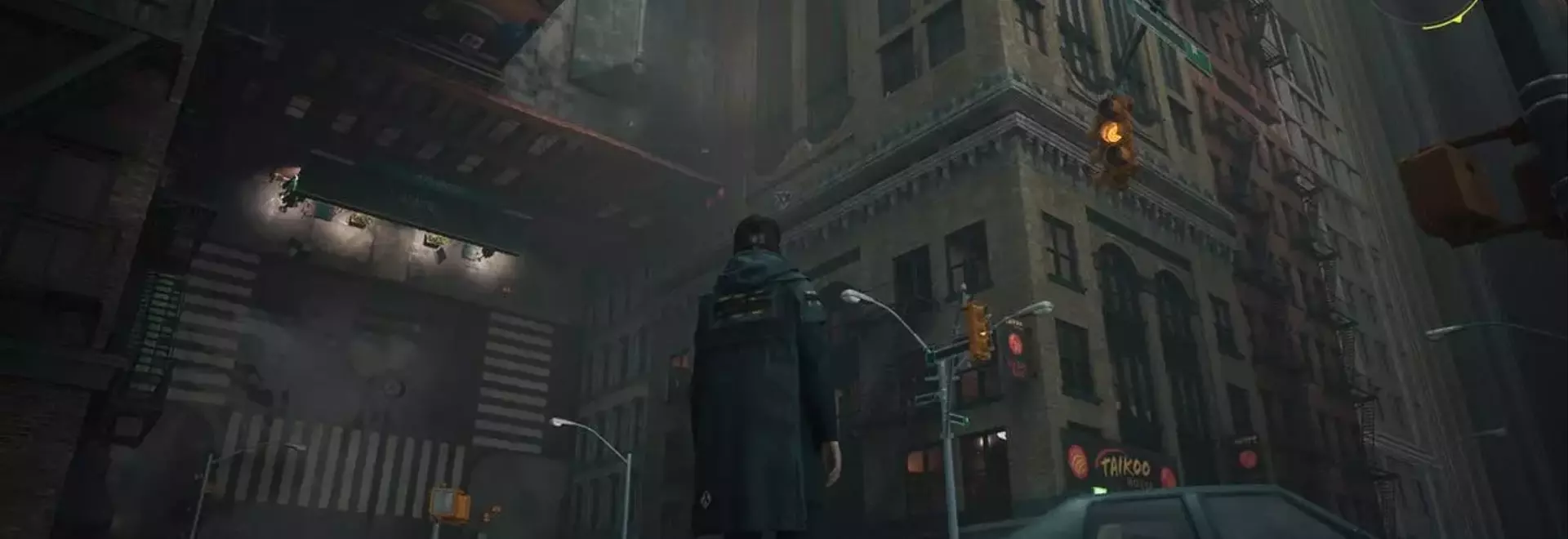
In "Control Resonant," Remedy's artistic and technical prowess in environmental design is vividly showcased. The game transforms New York City's familiar urban sprawl into an "uncanny hellscape," where brutalist architecture fuses with surreal, impossible geometries. Streets contort into cliff faces, buildings bleed into chasms, and entire neighborhoods reconfigure into radial symmetries, all either consumed by the Hiss or reorganized by the mysterious Patterning. This breathtakingly incomprehensible yet eerily familiar world is a testament to the developers' creativity, creating a setting dense with narrative intention. Abandoned cafes and art galleries scattered within this mutated landscape heighten the sense of unease, providing a chilling backdrop to reality's unspooling. Navigating this warped environment is a pleasure, as Dylan's evolving suite of mobility powers, including floating, air-dashing, and gravity reorientation, allows for impressive traversal and exploration.
The visual spectacle of "Control Resonant" is a significant draw, demonstrating Remedy's mastery in sculpting fantastical environments. The shift from the confined Oldest House to an open-world New York allows for an expansive display of surrealism, with everyday cityscapes grotesquely twisted into dreamlike mazes. This meticulous environmental storytelling ensures that every corner of Manhattan, no matter how mutated, feels deliberate and rich with discovery. The game's intricate design encourages exploration, rewarding players with fragments of lore and glimpses into its strange, new physics. The dynamic interplay between destruction and creation, where sections of the city are either consumed by the familiar Hiss corruption or rearranged by the alien Patterning, creates a constantly evolving and visually striking world. This commitment to unique environmental design ensures that the world itself becomes a character, compelling players to delve deeper into its mysteries, even if the path is fraught with repetitive combat.
Combat Mechanics and Narrative Depth
While the aesthetic and narrative aspects of "Control Resonant" shine, the combat system often struggles to maintain engagement. Dylan's unique shapeshifting weapon, the Aberrant, capable of transforming into various melee forms, sounds promising on paper. However, in practice, the early hours of combat are plagued by a lack of impact, making basic attacks feel ineffective against resilient enemies. The necessity to constantly build temporary damage bonuses through staggering and executing lesser foes introduces a repetitive loop, diminishing the satisfaction of engagements. Although later unlocks add some depth, the core combat remains a cycle of performing familiar actions to whittle down health bars, offering little strategic variety. Even boss fights, despite being more dynamic, often feel like a protracted grind due to inflated health pools. This imbalance between compelling narrative and monotonous combat forces players to endure repetitive encounters to advance the enthralling storyline.
The game's progression system further complicates the combat experience. As players delve into the rich story and side quests, they frequently encounter areas with enemies scaled beyond their current level, necessitating a return to repetitive combat encounters to gather resources and skill points. This creates a cycle where players must engage in uninspired fights to keep pace with enemy scaling, often accumulating an excess of weapon upgrade materials and talent points for abilities they either rarely use or haven't unlocked yet. The lack of meaningful choices in spending these resources contributes to a sense of stagnation in progression. Despite these issues, the game offers granular difficulty settings, allowing players to adjust damage output and stagger buildup to mitigate the combat's shortcomings. This flexibility is crucial for those who, like the reviewer, find themselves more invested in the world and narrative than in the repetitive act of battling the Hiss, ultimately enhancing the overall experience by allowing a quicker bypass of less engaging elements to focus on the game's stronger narrative and world-building aspects.