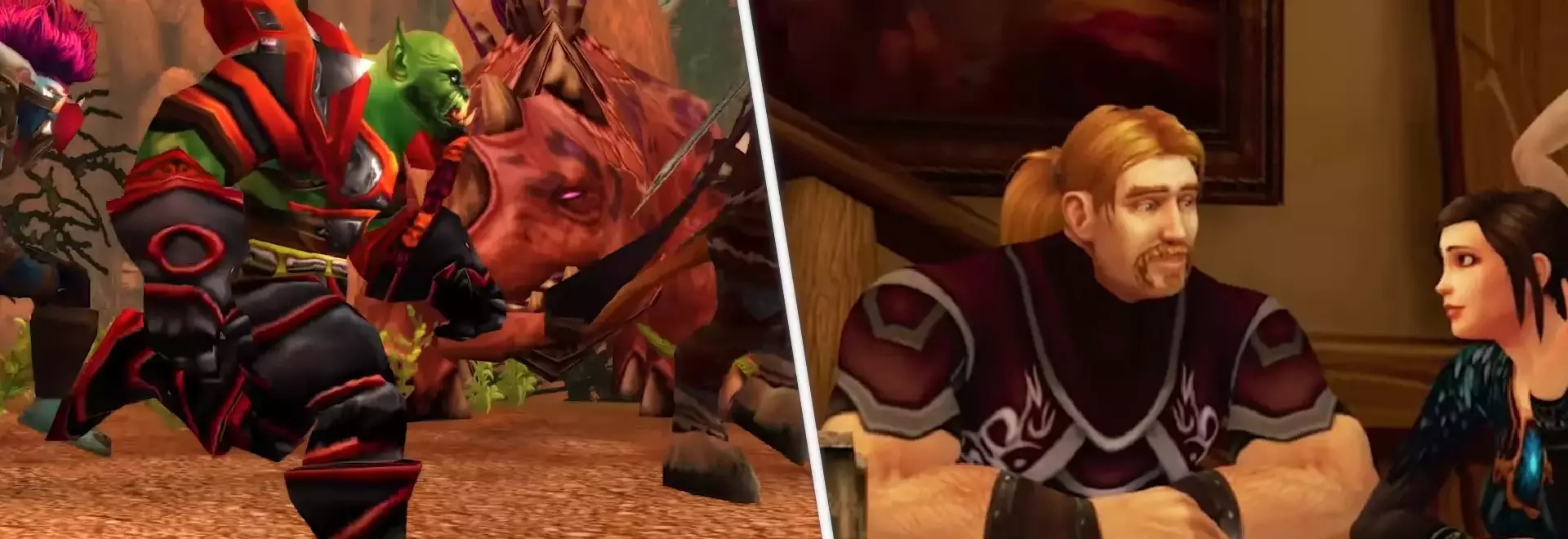
Debating WoW Forever's Roleplaying Rulesets
Blizzard's upcoming World of Warcraft: Forever aims to revolutionize player experience by offering tailored rulesets for various gameplay preferences. Among these is a specific "Roleplaying" setting designed to immerse players deeper into the world of Azeroth. While the intent to cater to dedicated roleplayers is clear, the strict separation of these communities from other player groups raises questions about its practical application and potential impact on the overall game experience.
Currently, roleplaying servers in World of Warcraft allow for a blend of in-character and out-of-character interactions, particularly in non-roleplaying centric activities. Many roleplayers enjoy traditional game content like dungeons and raids alongside non-roleplaying friends, seamlessly switching between their personas and regular gameplay. The introduction of rulesets that prevent cross-ruleset grouping means roleplayers would be confined to their own isolated ecosystems, unable to join activities with players on "Normal" or "PvP" rulesets without creating an entirely new character. This strict compartmentalization risks fragmenting the player base and diminishing the social fabric that often defines MMO communities.
The Double-Edged Sword of Dedicated Roleplaying Rulesets
The introduction of distinct rulesets in World of Warcraft: Forever, while well-intentioned for dedicated roleplayers, presents a significant challenge by isolating these players from the broader community. The core issue lies in the design choice to enforce a complete separation, where characters in the roleplaying ruleset cannot engage in activities like dungeons or raids with those from other rulesets. This rigid structure contradicts the established norms within the existing WoW roleplaying community, where players frequently participate in diverse game content with both roleplaying and non-roleplaying companions. The concern is that this enforced segregation will limit social interactions, forcing players to choose between their preferred roleplaying experience and playing with their established friend groups who might opt for different rulesets. The emphasis on strict naming conventions and behavioral guidelines, while understandable for maintaining immersion, further underscores a design philosophy that prioritizes isolation over integrated community experiences.
Moreover, the requirement for players to create entirely new characters to switch between rulesets imposes an unnecessary burden and discourages exploration of different gameplay styles. This approach fails to recognize that many roleplayers are also avid gamers who enjoy all facets of World of Warcraft, not just the narrative aspect. Historically, roleplaying servers have naturally attracted a mix of dedicated roleplayers, casual participants, and even those who simply enjoy observing the roleplaying environment. By erecting impenetrable barriers between these groups, Blizzard risks alienating a significant portion of its player base and undermining the organic social dynamics that have long characterized the game. A more nuanced approach, perhaps incorporating a "semi-permeable membrane" between rulesets, would allow roleplayers to maintain their immersive experiences while retaining the flexibility to engage with friends across the entire game world, fostering a more inclusive and vibrant community.
Bridging the Gap: The Need for Flexible Interaction in WoW Forever
The current design of World of Warcraft: Forever's rulesets, particularly the complete isolation of roleplaying characters from others, appears counterintuitive to the natural evolution of MMO communities. In existing World of Warcraft environments, roleplayers seamlessly transition between their in-character narratives and standard gameplay, participating in raids and dungeons without rigid adherence to roleplaying etiquette during these activities. The decision to prevent cross-ruleset grouping and require new character creation for switching rulesets overlooks this adaptable player behavior. This rigid structure risks creating insular communities, hindering the organic formation of mixed-playstyle friendships and limiting opportunities for roleplayers to participate in a wider array of content with all their friends, regardless of their chosen ruleset. Such an approach might inadvertently diminish the appeal of dedicated roleplaying, pushing players to make uncomfortable choices between their immersive hobbies and social engagement within the game.
Instead of absolute segregation, a more adaptable system would better serve the diverse needs of the player base. A "semi-permeable membrane" approach would allow roleplaying characters to group with players from other rulesets for activities where roleplaying is less central, such as instanced content. This flexibility would enable roleplayers to enjoy both their deep narrative immersion and the broader cooperative and competitive aspects of the game with all their acquaintances. It would also preserve the dynamic social ecosystems that have thrived on roleplaying servers, which often include non-roleplayers who appreciate the unique atmosphere. By fostering interconnectedness rather than enforcing strict boundaries, Blizzard could create a more robust and inclusive World of Warcraft: Forever, where dedicated roleplayers feel supported without being confined, and all players can share in the rich tapestry of Azeroth's adventures together.