Divergent Automotive Desires: Why Chinese Cars Prioritize Tech Over American Affordability
Cars

Divergent Automotive Desires: Why Chinese Cars Prioritize Tech Over American Affordability

authorBy Chris Harris
DateNov 02, 2026
Read Time2 min

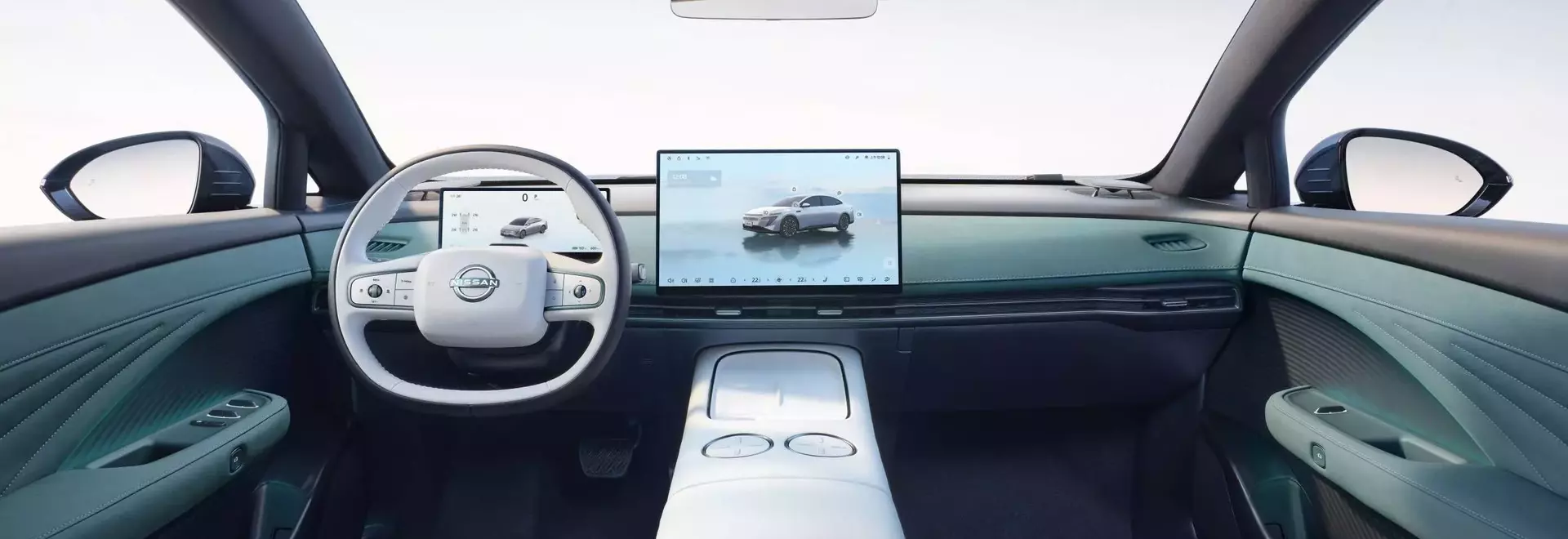
A recent study by Bain & Company illuminates a significant divergence in what car buyers prioritize across different regions. This research indicates that American and European consumers predominantly focus on a vehicle's price point, whereas their Chinese counterparts place a much higher value on technological features and advanced integrations. This fundamental difference in consumer expectations directly impacts how automakers design and market their vehicles in these distinct global markets.

This disparity in consumer preferences is not without clear underlying causes. In the United States and Europe, the rising cost of living has made affordability a critical factor in purchasing decisions, pushing price to the forefront for the majority of buyers. Conversely, the intense competition and ongoing price wars within the Chinese automotive industry have led to more accessible vehicle pricing. This economic landscape allows Chinese manufacturers greater flexibility to equip their cars with a wealth of technological advancements, turning cutting-edge features into a primary selling proposition rather than a luxury add-on. As a result, Chinese vehicles are frequently packed with extensive infotainment systems, multiple digital displays, advanced driver-assistance systems, and comfort enhancements that are often considered optional extras in other markets.

Beyond geographical distinctions, demographic factors like age also play a crucial role in shaping automotive demand, particularly concerning electric vehicles. The study shows that younger generations, including Gen Y and Gen Z, in both the US and China, exhibit a greater openness to adopting battery electric vehicles. This contrasts sharply with older demographics, especially in the US, who are considerably less inclined to switch to electric. These varying preferences underscore the need for global automotive brands to adopt highly localized strategies. Understanding and responding to the diverse needs and desires of different consumer segments, from tech-savvy Chinese buyers to price-sensitive Americans, is paramount for success in an increasingly complex and segmented global market.

The global automotive landscape is a dynamic tapestry woven with diverse consumer desires and regional economic realities. As manufacturers navigate these varied expectations, the emphasis shifts from a one-size-fits-all approach to creating vehicles that resonate deeply with specific cultural and economic contexts. This ongoing evolution fosters innovation and responsiveness, pushing the industry to constantly adapt and ultimately deliver a broader array of choices that genuinely serve the global community's varied needs. Embracing such diversity in demand not only enriches the market but also drives progress towards more thoughtful and consumer-centric automotive solutions worldwide.

More Articles
Cars
Winter Weather Alerts Issued for Several US Regions
Multiple states are under winter weather advisories today, with forecasts predicting up to 15 inches of snow and wind gusts reaching 55 mph. Key routes like I-80, I-70, and Highway 14 are expected to experience hazardous driving conditions, including slick roads and reduced visibility, potentially impacting commutes across Wyoming, Colorado, and Montana.
By Akira MarutaNov 02, 2026
Cars
Used EV Market Surges: Non-Tesla Brands Dominate Sales Speed Despite Tesla's Price Gains
A recent analysis by iSeeCars reveals that pre-owned electric vehicles are now being sold almost two weeks quicker than gasoline-powered cars, with an average selling time of 41.9 days for EVs compared to 54.8 days for traditional models. This shift is occurring despite Tesla's used models experiencing significant price increases, as other brands like Audi, Toyota, and Honda are leading in sales velocity. The study attributes this trend to fluctuating fuel costs and highlights a clear preference for compact and midsize electric crossovers over larger SUVs and pickup trucks in the used EV market.
By Larry ChenNov 02, 2026
Cars
Emerald Dream: The $18.5 Million Green Ferrari Daytona SP3 Auction
A rare green Ferrari Daytona SP3, one of only 600 produced, has been sold at auction for an astonishing $18.5 million. This limited-edition model, part of Ferrari's 'Icona' series, features a unique Verde Francesca paint, glossy carbon fiber accents, and a powerful 6.5-liter V12 engine. With only 81 miles on the odometer, this particular SP3 stands out as a highly coveted collector's item, embodying Ferrari's racing heritage and exclusive craftsmanship.
By Michele AcquaragiaNov 02, 2026
Cars
Toyota's Top 3 Hybrid SUVs: Value, Versatility, and Efficiency
Toyota, a pioneer in hybrid technology since the Prius, continues to dominate the market with a diverse range of hybrid vehicles. This article highlights three standout hybrid SUVs: the practical RAV4 Hybrid, the family-friendly Grand Highlander Hybrid, and the budget-conscious Corolla Cross Hybrid, all offering excellent fuel economy and competitive pricing. These models exemplify Toyota's commitment to efficient and accessible hybrid solutions for various consumer needs.
By Henry FordNov 02, 2026
Cars
2027 Ford Ranger: Midsize Truck Overview and Expected Enhancements
The 2027 Ford Ranger is positioned as a capable midsize pickup, offering a blend of comfort and utility between the Maverick and F-150. It features a standard 270-hp turbocharged 4-cylinder engine, with an anticipated upgrade to a 380-hp twin-turbo V6. Available exclusively as a 4-door crew cab with a 5-foot bed, it boasts a towing capacity of up to 7,500 pounds and a well-appointed interior with modern technology. The XLT trim is highlighted for its excellent value, balancing features and performance.
By Henry FordNov 02, 2026