Japanese Director Matsumura Shingo on "Between Us," Post-Disaster Connection, and Indie Filmmaking
Matsumura Shingo's film, "Between Us," showcased at the Tokyo International Film Festival, delves into the complex emotional landscape of human connection in the aftermath of trauma. The director employs a distinctive visual style, characterized by static camera work, to portray the subtle nuances of his characters' inner lives and their struggle to reconcile past events. This artistic approach, combined with a focus on authentic performances, highlights the unique challenges and creative opportunities within the Japanese independent film sector, where budget constraints often foster innovative storytelling.
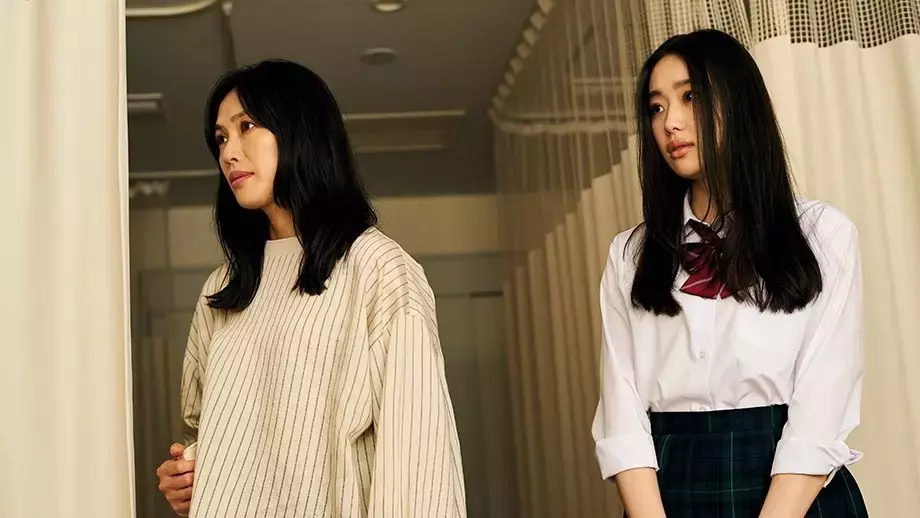
The film navigates the journey of two childhood friends, Makoto and Kasumi, whose bond is fractured by a traumatic camping trip. Their reunion in a high school drama club six years later sets the stage for a poignant exploration of healing and reconnection. Matsumura's directorial vision transforms their emotional distance into a tangible element within the cinematic space, utilizing meticulous scene blocking and editing to subtly convey their evolving relationship. The narrative cleverly integrates a theatrical script as a catalyst for their reconciliation, allowing them to voice unspoken sentiments and bridge the gap that once separated them. This intimate story draws inspiration from broader societal disasters, reflecting on how communities process and heal from collective traumas, mirroring the personal journeys of the film's protagonists.
Navigating Emotional Recovery Through Precise Cinematography
Director Matsumura Shingo's latest work, "Between Us," presented at the Tokyo International Film Festival, meticulously examines the lingering emotional scars and the path to reconnecting in the wake of significant events. The film distinguishes itself through a deliberate and static cinematic approach, diverging from more dynamic handheld styles to offer a contemplative viewing experience. This conscious choice allows the camera to patiently observe and absorb the subtle, often unspoken, emotional cues that characters attempt to conceal, drawing the audience deeper into their internal worlds. The story centers on two childhood friends whose relationship is strained by a past incident, and their subsequent reunion becomes a canvas for exploring themes of healing and reconciliation through a uniquely restrained lens.
Matsumura's aversion to handheld camera work is rooted in a desire to differentiate his big-screen productions from the ubiquitous, often shaky, content found on online platforms. By maintaining a fixed perspective, he aims to capture the genuine emotions of his actors with an unhurried authenticity, fostering a deeper connection between the audience and the characters' experiences. This method, surprisingly, enhances the film's emotional realism, particularly in depicting the psychological distance between the two main characters. Through careful blocking and strategic use of space, Matsumura visualizes their separation and eventual mending, suggesting a profound interplay between physical distance and emotional proximity. The drama club setting serves as a crucial arena where a play, bearing the film's title, becomes a conduit for the characters to articulate their unspoken feelings, facilitating a rapprochement that transcends their physical separation.
The Essence of Connection: From Personal Trauma to Broader Disasters
"Between Us" embarks on an intimate journey of two individuals' reconciliation, yet its thematic depth is inspired by a wider spectrum of societal calamities, from natural disasters to global conflicts. Director Matsumura Shingo conceptualized the film during a period marked by widespread turmoil, reflecting on the universal challenge of establishing genuine connection amidst pervasive disruption. His goal was to craft a simple narrative where two initially estranged individuals gradually turn towards each other, exploring the transformative energy that emerges from such a renewed connection. This underlying inspiration imbues the personal narrative of Makoto and Kasumi with a resonance that extends beyond their individual story, touching upon how unresolved past traumas, both personal and societal, continue to shape our present and influence our ability to connect.
Matsumura emphasizes that while the film does not directly depict these real-world events, it draws a powerful parallel between the characters' unresolved personal past and the collective societal amnesia surrounding major disasters once they recede from daily news cycles. He highlights how easily society moves on, mistaking absence from headlines for resolution, mirroring the prolonged emotional aftermath experienced by his characters. In working with his lead actresses, Matsumura adopted a hands-off approach, allowing their inherent empathy and attentive listening skills to naturally inform their portrayals. This organic process resulted in performances that authentically capture the characters' nuanced emotional states. The film stands as a testament to the diverse and inventive landscape of contemporary Japanese cinema, where budget limitations often spur filmmakers to explore smaller, yet deeply meaningful, subjects with artistic integrity, navigating the delicate balance between personal artistic vision and broader audience engagement.