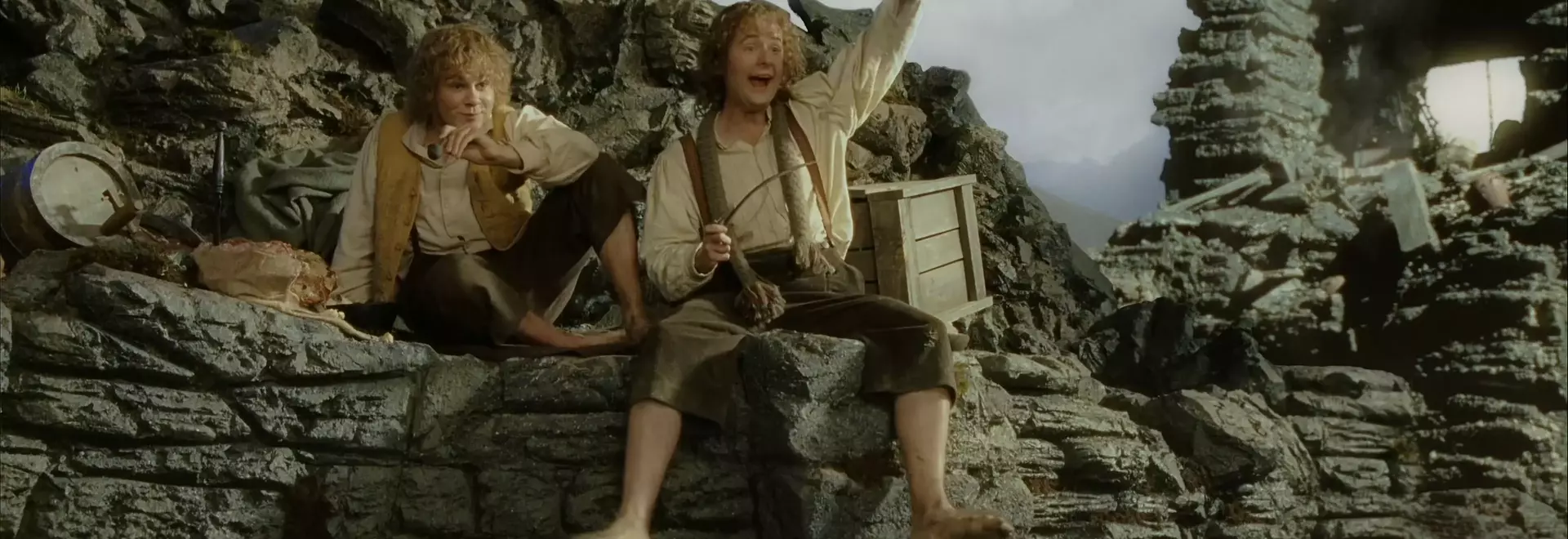
The Lord of the Rings Card Game Series Nears Epic Conclusion
Embark on an Epic Journey: The Lord of the Rings Trick-Taking Game's Grand Finale
A Unique Adaptation of Middle-earth's Saga in Card Form
J.R.R. Tolkien's masterpiece, The Lord of the Rings, has inspired countless tabletop adaptations. Among them, Bryan Bornmueller's trick-taking game stands out for its immersive and accessible portrayal of the narrative. Following the successful release of The Fellowship of the Ring Trick-Taking Game in 2024, which allowed players to collaboratively navigate crucial missions, Bornmueller continued the series with the equally compelling The Two Towers Trick-Taking Game in January. The highly anticipated finale, The Return of the King, is slated for a February 2027 release, promising to complete the epic trilogy.
The Emotional Resonance of Collaborative Storytelling
Bornmueller shared his immense pride in the game's ability to evoke strong emotions in players. He recounted instances where playtest groups, particularly those who had bonded over several years of playing together, found themselves deeply moved and even brought to tears during the final chapter. This emotional connection underscores the game's success in translating the profound narrative of The Lord of the Rings into an interactive experience.
From Fan to Game Designer: A Lifelong Passion for Tolkien's World
Bornmueller's journey into game design is deeply rooted in his lifelong admiration for Tolkien's works. His father introduced him to The Hobbit and The Lord of the Rings at a young age, fostering an enduring love for Middle-earth. This passion was further fueled by midnight screenings of Peter Jackson's films during his time at Iowa State University. His early encounters with tabletop adaptations, like Reiner Knizia's 2000 Lord of the Rings game, ignited his interest in the genre. After graduating, he joined Asmodee, a prominent board game publisher, eventually ascending to the role of innovation and sourcing director, where he now collaborates with various studios to develop new games.
The Genesis of a Trick-Taking Trilogy
Driven by Asmodee's desire for more Tolkien-themed games, Bornmueller embarked on designing his own. He drew inspiration from classic trick-taking card games like Hearts and Doppelkopf, as well as the mission-based structure of Thomas Sing's The Crew: The Quest for Planet Nine. Initially, his concept focused on the Fellowship's departure from Rivendell, with ten characters and a few quick rounds. However, he soon realized the complexity was overwhelming for casual players. This led him to the idea of a phased introduction, starting with The Fellowship of the Ring and gradually unveiling new characters and mechanics across chapters, mirroring the progression of the books. He collaborated with Taylor Reiner, a YouTube personality known for trick-taking game content, to bring The Fellowship of the Ring Trick-Taking Game to fruition, immediately following up with The Two Towers.
Cultivating Collaborative Engagement Through Limited Information
Bornmueller reflected on the significant effort required to realize his vision. He noted that while Reiner Knizia's Lord of the Rings was an early collaborative board game experience for him, the trick-taking format, with its inherent limited information, transforms the nature of teamwork. This design choice necessitates constant engagement from all players, preventing a single individual from dominating the strategic decision-making. Instead, it fosters a shared responsibility for problem-solving, deepening collective involvement.
Translating Lore into Game Mechanics: A Meticulous Process
The game designer takes pleasure in crafting seemingly insurmountable challenges that compel players to strategize even before their cards are dealt. His design process involves extensive research into The Lord of the Rings, including re-reading the books and listening to analyses from The Prancing Pony Podcast, to meticulously identify key characters and events. This in-depth understanding allows him to translate narrative elements into unique game mechanics. For example, Treebeard's slow nature is represented by a rule where the Ent's player acts a turn behind, setting aside a card for the next trick.
Evolving Gameplay with Each Installment
The Two Towers Trick-Taking Game introduced the White and Black Towers as powerful trump cards, adding a new layer of strategy. The Return of the King further innovates with a "crown mechanic" for card exchange. Instead of direct trading, players will place cards under the crown and then, by "kneeling to the king," can acquire them, reflecting thematic elements of governance and tribute. The game's mechanics are intimately linked to the character arcs within the books. Pippin, for instance, joining Aragorn's army, must win tricks using a card matching the one under the crown. Denethor, the steward of Gondor, begins with a powerful king card but must eventually relinquish it, symbolizing his role as caretaker rather than true ruler. The initial phase of The Return of the King focuses on the build-up to the Battle of Minas Tirith, with each chapter introducing new cards and rules that culminate in a grand battle. The game reaches its dramatic peak with Frodo's destruction of the One Ring, offering multiple endings to provide both an epic conclusion and the heartfelt farewells found in Tolkien's work and Jackson's film adaptation.
Evoking the Essence of the Story Through Strategic Design
Bornmueller emphasizes that while it's impossible to include every detail of The Lord of the Rings in a game, the goal is to evoke the feeling of experiencing the story. He leverages players' existing knowledge and emotional connection to the saga, weaving it into the game mechanics. This approach ensures the game feels distinctly like Middle-earth, rather than generic fantasy, and avoids straying too close to other genres like Dungeons & Dragons, which might dilute its unique identity.
Anticipating the Grand Conclusion
The Return of the King Trick-Taking Game will have an exclusive pre-release at PAX Unplugged and select U.S. game stores in December, leading up to its broader release in February 2027.