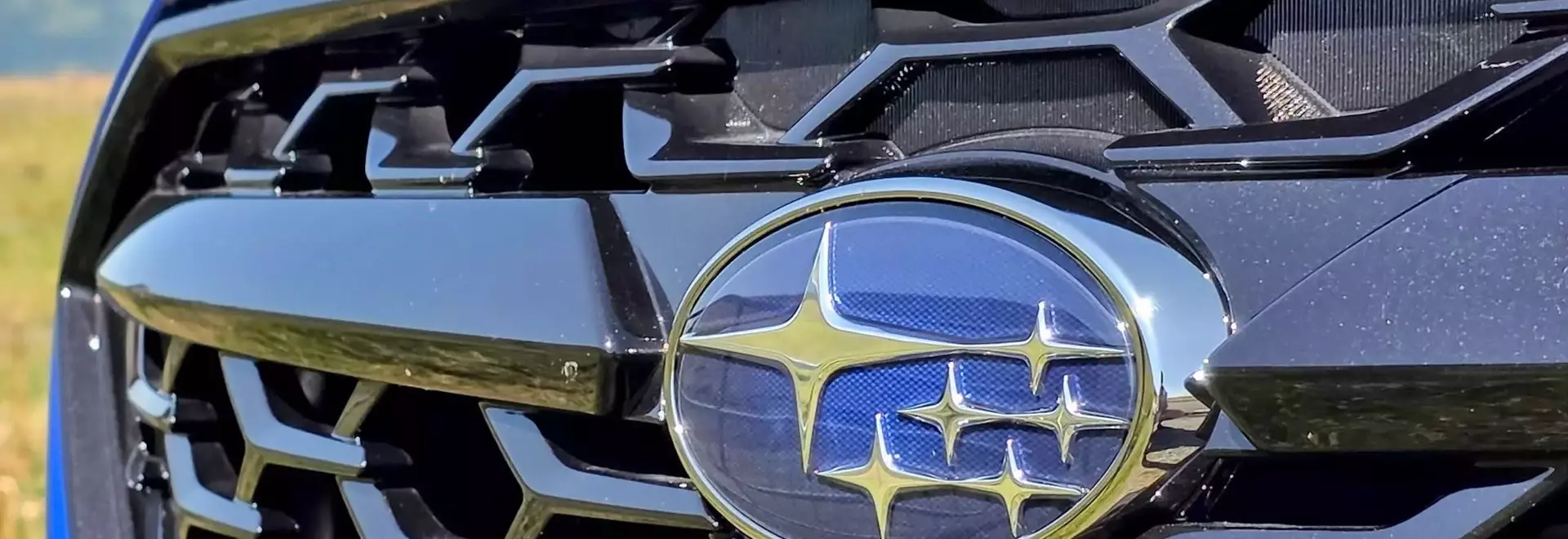
Subaru's Ambitious Strategy to Expand U.S. Market Share
Subaru's Bold Vision: Capturing a Larger Share of the American Automotive Landscape
Subaru's U.S. Market Share Ambitions and Growth Strategy
Subaru's recently published 2026 Integrated Report outlines a clear objective: to secure a 5% share of the U.S. automotive market. This represents a notable increase from the 3.9% recorded at the close of 2025. To achieve this ambitious goal, Subaru recognizes the need to move beyond its existing customer base and attract a wider demographic across the country. The company's strategy involves addressing gaps in its current product portfolio and offering compelling reasons for new buyers to consider the brand, all while preserving the distinct qualities that have defined Subaru's identity.
Enhancing Product Offerings and Manufacturing Agility
Central to Subaru's expansion plan is the introduction of a more extensive model lineup and the development of highly adaptable manufacturing capabilities. The aim is to diversify its vehicle offerings, catering to a broader spectrum of consumer preferences. Globally, Subaru targets annual sales exceeding 1.2 million units by the early 2030s, a significant jump from the 896,000 units sold in the fiscal year ending March 2026. This growth is underpinned by manufacturing flexibility, exemplified by the Yajima plant in Japan. Since early 2026, this facility has been producing battery-electric vehicles alongside gasoline-powered Forester models, including Toyota EVs, showcasing a versatile production line. By late 2026, the Yajima plant is also slated to begin manufacturing Subaru Forester SUVs for the U.S. market, supplementing production from its Indiana factory. This dual-plant approach will enable Subaru to effectively manage fluctuating demand and respond swiftly to market shifts.
Strategic Cost Management for Future Prosperity
To support its ambitious growth and mitigate rising operational expenses and potential U.S. tariffs, Subaru is implementing a comprehensive "Cost Innovation 20-30" plan. This initiative aims to reduce annual expenditures by approximately ¥200 billion (equivalent to $1.26 billion USD) by 2030. These financial optimizations are crucial for sustaining profitability and competitiveness in a dynamic global automotive landscape.
Broadening Appeal Beyond Core Loyalists
While Subaru enjoys a robust brand image and loyal customer base in the U.S., achieving a 5% market share necessitates attracting consumers who may not have previously considered a Subaru vehicle. This could involve venturing into highly competitive market segments. In preparation for this expansion, Subaru has already begun adjusting its pricing strategies, reintroducing more accessible base models for the 2027 model year and lowering entry-level costs for some vehicles. The challenge for Subaru lies in balancing the need to appeal to new customers without alienating its dedicated existing fanbase. Simply adding more models will not suffice; each new offering must bring unique value. The manufacturing adjustments and cost-saving measures are pragmatic steps, especially given the pressures from tariffs and evolving consumer demand. However, the ultimate success will hinge on whether Subaru can craft a product lineup that resonates with a substantially wider audience.
Paving the Road Ahead: Subaru's Path to U.S. Market Dominance
Subaru has clearly defined its objectives and established a roadmap for growth. The brand's ability to attract new buyers away from established competitors will ultimately depend on the quality, appeal, and market fit of the vehicles it introduces, and how effectively these resonate with the diverse preferences of American driver