Top 10 Iconic Tomb Raider Levels: A Journey Through Lara Croft's Most Memorable Adventures
This comprehensive overview takes a nostalgic trip through the most impactful and beloved levels in the entire Tomb Raider saga. From the franchise's inception in 1996 to its latest iterations, a select few stages have consistently delivered memorable challenges, innovative gameplay, and breathtaking environments. These levels not only pushed the boundaries of adventure gaming but also solidified Lara Croft's status as a gaming icon. Each chosen location encapsulates the essence of what makes Tomb Raider a perpetually engaging experience, blending intricate puzzles with dynamic action and stunning visual design.
The article highlights how each level introduced new mechanics or refined existing ones, creating unique obstacles and immersive narratives. Whether it’s navigating ancient ruins filled with mythical dangers or traversing contemporary cityscapes with acrobatic precision, these levels showcase the diverse range of experiences the series offers. They represent key evolutionary points in the franchise, reflecting shifts in technology, gameplay philosophy, and narrative ambition. This curated list celebrates the enduring appeal of Tomb Raider and its ability to consistently deliver thrilling, brain-teasing, and visually spectacular adventures for generations of players.
The Evolution of Classic Tomb Raider Levels
The early Tomb Raider games carved a niche for themselves with levels that were masterfully crafted blends of exploration, complex environmental puzzles, and challenging combat. St. Francis' Folly, from the original 1996 title, perfectly exemplified this, introducing players to a multi-tiered shrine where survival depended on understanding architectural hazards and divine traps. This level set a precedent for the series, featuring distinct zones dedicated to different deities, each presenting unique perils from rolling boulders to suspended swords. Similarly, The Great Wall in Tomb Raider 2 dramatically escalated the stakes, thrusting Lara into immediate danger with formidable adversaries like multiple T-Rexes, signaling a significant leap in challenge and immersion. These foundational levels established the series' reputation for demanding gameplay that required precision, quick reflexes, and keen observational skills to conquer.
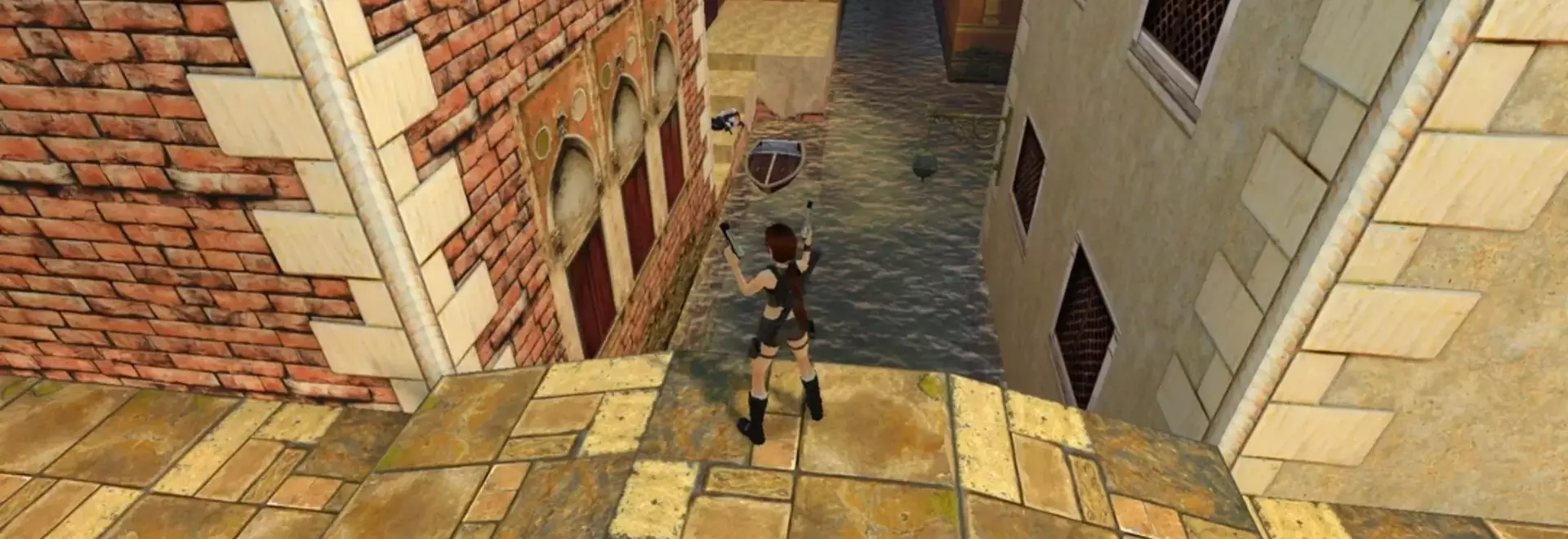
As the series progressed, level design continued to evolve, incorporating more grand and imaginative scenarios. Venice and Bartoli’s Hideout from Tomb Raider 2 offered a dynamic shift with its speedboat chases and exploration of an atmospherically rich mansion, blending high-octane action with intricate interior navigation. Tomb Raider 3's Area 51 introduced a surprising sci-fi twist, challenging players with laser grids and alien conspiracies, marking a departure from traditional tombs. The Temple of Karnak in Tomb Raider: The Last Revelation brought significant gameplay innovations, including Lara’s newfound ability to swing on ropes and even walk on water after solving its core mysteries. These classic levels were not just backdrops; they were integral to the gameplay, each designed as a self-contained adventure that tested players' problem-solving abilities and platforming prowess, cementing Tomb Raider's legacy as a pioneer in the action-adventure genre.
Modern Adventures and Innovative Environments
With the franchise's revival, Tomb Raider entered a new era of cinematic storytelling and environmental dynamism, exemplified by levels like Tokyo in Tomb Raider: Legend. This modern setting transformed urban landscapes into Lara's playground, where she scaled skyscrapers and navigated bustling city streets, culminating in an iconic motorcycle chase and a dramatic building-to-building crash. This shift showcased Lara's adaptability, proving her skills were as effective in contemporary environments as they were in ancient ruins. The narrative depth also increased, with Croft Manor in Tomb Raider: Underworld providing a deeply personal level where Lara faced a devastating home invasion, infusing the gameplay with high emotional stakes and a sense of urgency not often seen in earlier titles. These levels highlighted a renewed focus on character development and more engaging, plot-driven scenarios.
The rebooted Tomb Raider series further refined this approach, offering more visceral and survival-focused experiences. The Mountain Temple and Shipwreck Beach in Tomb Raider (2013) graphically depicted Lara's struggle for survival, beginning with a harrowing escape from captivity and evolving into a desperate fight against nature and hostile forces. This particular segment emphasized the brutal reality of her predicament, showcasing a more vulnerable yet determined Lara. Following this, the Geothermal Valley and Soviet Installation in Rise of the Tomb Raider presented vast, interconnected environments that encouraged exploration, resource gathering, and strategic combat, featuring a vibrant ecosystem and hidden communities. Finally, the Hidden City of Paititi in Shadow of the Tomb Raider stood out as the series' largest hub, offering unparalleled immersion with its living economy, native language-speaking NPCs, and a multi-tiered jungle city that reacted dynamically to Lara's actions. These modern levels not only pushed graphical and gameplay boundaries but also deepened the player's connection to Lara's journey by creating rich, interactive worlds.