Volkswagen Explores Chinese Software for Future European EVs
Volkswagen's Strategic Shift: Embracing Chinese Tech for European EVs
The Potential Impact on European Drivers
Future electric models from Volkswagen, Skoda, and Cupra sold in Europe might soon feature a software system originating from China. Volkswagen's core brand leader, Thomas Schäfer, is reportedly evaluating the integration of the group's China Electronic Architecture across approximately 75% of its next-generation vehicles within these three brands. While this remains a proposal, not a confirmed decision, Volkswagen has refrained from commenting on the matter.
Significant Financial Advantages of the Proposed System
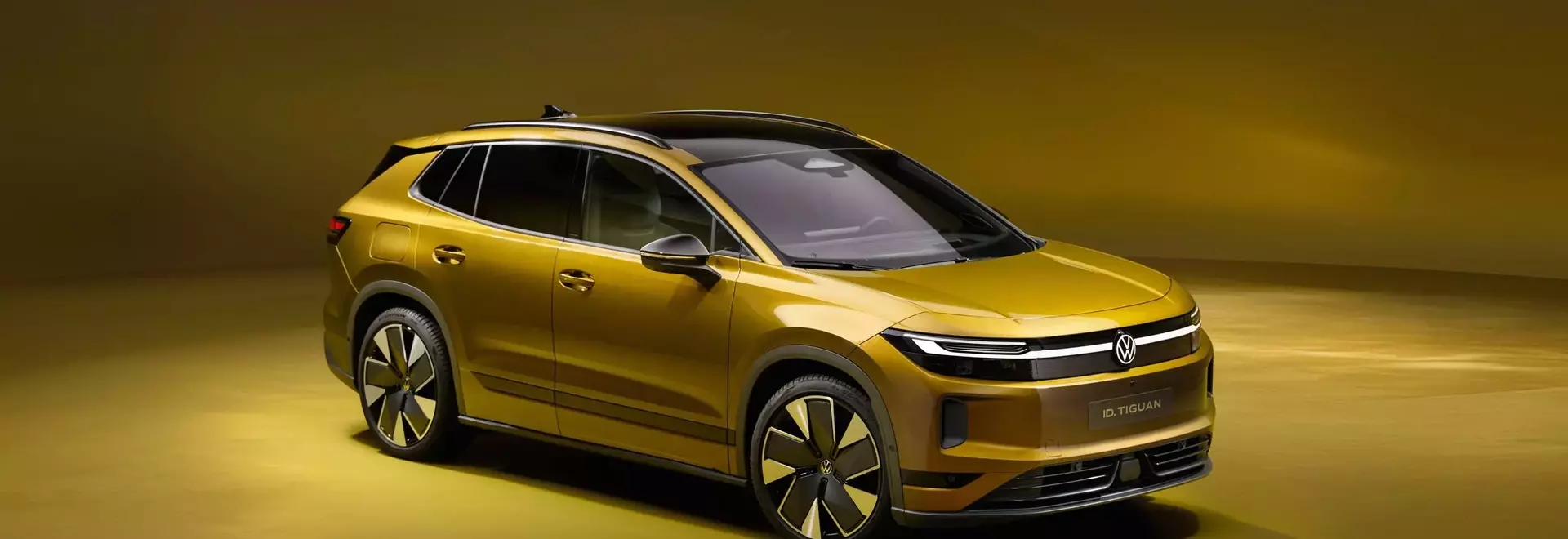
According to reports, this architectural framework forms the essential technological foundation for vehicle software, including crucial over-the-air update capabilities. The primary appeal of this initiative lies in its potential for substantial financial benefits. Schäfer's team projects savings ranging from $4.5 billion to $5.5 billion in the most critical development areas. Furthermore, development costs in China are estimated to be about a quarter of those incurred at the Rivian joint venture in Palo Alto. For instance, the next electric Tiguan could see development costs reduced by roughly $9,000. It is currently unclear whether these savings would translate into lower prices for consumers. Volkswagen has been actively working to maintain its market position against increasingly competitive and less expensive Chinese rivals, making cost reduction a clear driving force behind this consideration.
Addressing Misconceptions: The Software's True Origin
The collaboration between Volkswagen and Xpeng commenced in 2023, following VW's $700 million investment in the Chinese EV manufacturer. The electronic architecture was initially designed for the Chinese market. Importantly, Volkswagen holds the intellectual property rights for this system, indicating that it is not simply an off-the-shelf purchase from an external supplier. Reports suggest that this system is already successfully implemented in production vehicles within China.
Challenges and Future Outlook for Volkswagen's Software Strategy
This proposed plan would potentially supersede the existing technology developed by Volkswagen in partnership with Rivian for Western markets, a collaboration valued at $5.8 billion and central to CEO Oliver Blume’s software vision. Concerns have been raised among Rivian's supporters that a reduction in the use of their jointly developed technology could impact cost-sharing agreements. Internally, some within Volkswagen harbor doubts about the ease or affordability of adapting the Chinese system to comply with European regulatory standards. Crucially, neither the internal reports nor public discussions have yet addressed significant questions concerning data management and security.
Key Developments to Monitor in Volkswagen's EV Journey
The first vehicle expected to feature the Rivian-based platform is the entry-level electric hatchback, anticipated for release in 2027 and referred to as the ID. Every1. The software configuration of this particular model will serve as an early indicator of Volkswagen's future direction. It's also worth noting that Porsche has similarly sought technological solutions from China to address its internal challenges, highlighting a broader trend among German automotive manufacturers looking eastward for innovation and efficiency.