AI in Filmmaking: Balancing Innovation with Economic Realities
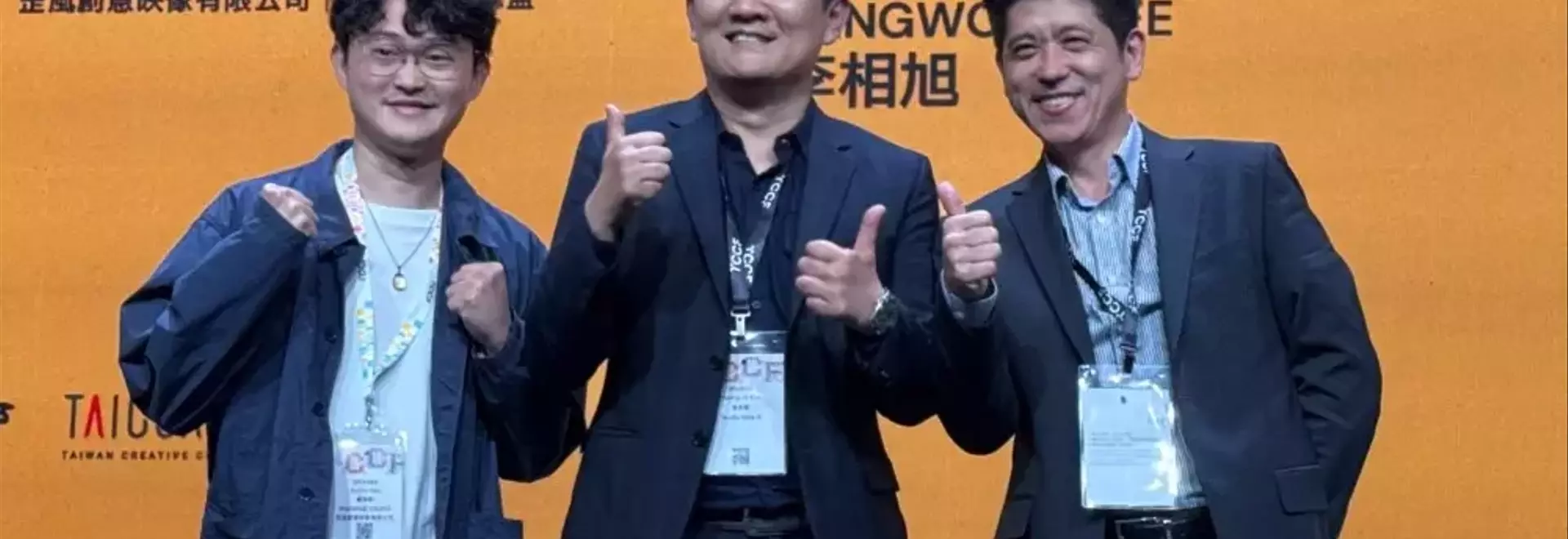
A recent discussion at the Taiwan Creative Content Fest (TCCF) in Taipei shed light on the complex financial implications of integrating artificial intelligence into film production. Experts from South Korea, including Kim Kwang-jib from Studio Meta-K and Lee Sang-wook from MBC C&I, revealed that while AI can drastically cut costs for commercial projects, its widespread adoption in feature films might paradoxically lead to higher expenditures than in the analog 35mm film era, particularly due to rising token fees and iterative revision processes.
The current state of AI in film production presents a mixed financial picture. Kim Kwang-jib pointed out that although AI tools have significantly lowered production costs for commercials—citing an instance where a project costing millions with traditional methods could be done for thousands with AI—the scenario for feature films is more intricate. He warned that the token expenses for a 100-minute film could reach hundreds of thousands of dollars, and if AI companies increase these fees, budgets could skyrocket into the millions, potentially making AI less cost-effective than conventional filmmaking for many productions outside of Hollywood's massive budgets. Furthermore, the constant evolution of AI technology, as noted by Lee Sang-wook, means that tools can become obsolete quickly, adding another layer of complexity and cost to long-term projects like feature films, which often require extensive post-production and revisions.
Despite these financial challenges, the integration of AI is reshaping the filmmaking process and the roles within the industry. Kim suggested that a hybrid production model, combining AI-generated scenes with live-action shoots for key elements, could be a viable path forward. He also proposed a 'reverse pipeline' where an entire film is first conceptualized and rendered with AI in pre-production, allowing for early identification and live-action reshoots of only the necessary segments. Lee emphasized that while some traditional roles might diminish, new ones, such as previsualization artists and continuity supervisors, are emerging. Both experts underscored the human element's continued importance, asserting that AI, while powerful, cannot fully replicate the nuanced emotional depth brought by human actors or the creative vision of a director, ultimately serving as a tool that enhances, rather than replaces, human artistry.
The advent of AI in filmmaking marks a pivotal transformation, offering unprecedented creative possibilities while simultaneously posing significant economic and logistical questions. As the industry navigates this new frontier, striking a balance between technological advancement and sustainable production practices will be crucial. The insights from these Korean pioneers highlight that innovation, when guided by human creativity and strategic foresight, has the potential to elevate storytelling, even as it demands a re-evaluation of established production paradigms and financial models. This evolution underscores the enduring spirit of artistic endeavor, where human ingenuity continues to steer technological progress towards more compelling and impactful narratives.