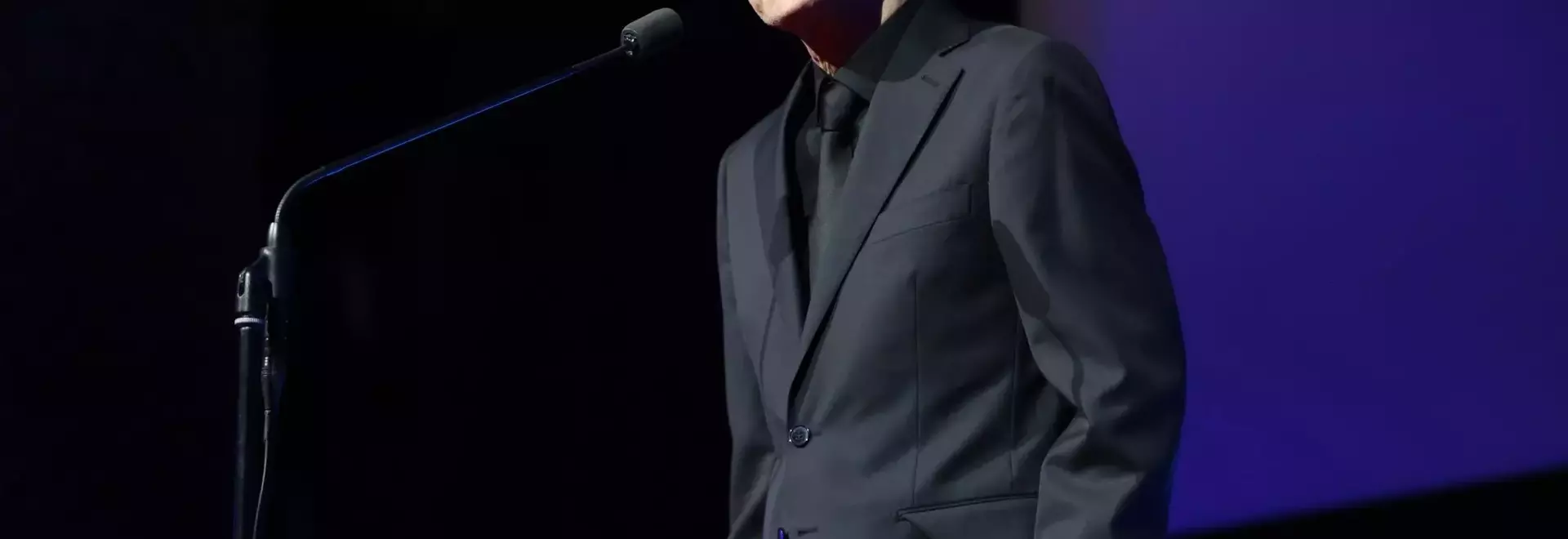
Camerimage Founder Marek Zydowicz on AI, Aronofsky, and the Art of Cinematography
Celebrating Cinematic Vision: Artistry, Innovation, and Human Touch
Camerimage: A Legacy of Cinematic Artistry
Camerimage, the world's foremost festival dedicated to the craft of cinematography, marks its thirty-fourth anniversary with its founder, Marek Zydowicz, in a state of thoughtful contemplation and spirited debate. The event, taking place in Torun, Poland, from November 7-14, continues its mission to elevate cinematographers and other behind-the-scenes artists, moving beyond their traditional classification as mere technicians.
Navigating the Future: AI, Budgets, and Artistic Recognition
Zydowicz finds himself at the forefront of crucial discussions within the industry. Key topics include the emergence of generative artificial intelligence, which will be a central theme of this year's workshops and debates; the increasing pressures on film budgets and the distribution of theatrical releases; and the festival's decision to honor Darren Aronofsky, a vocal proponent of AI in filmmaking, with its prestigious director's award.
Honoring Creative Minds: Walker and Kaminski
The festival also celebrates Joe Walker, the acclaimed editor behind masterpieces such as Dune and 12 Years a Slave, who will preside over the Main Competition jury. Additionally, Polish cinematographer Janusz Kaminski, whose film Disclosure Day is featured in competition, is set to receive the Visionary award from THR. Zydowicz reiterates Camerimage's dedication to embracing diverse technologies and artistic methods, while firmly drawing a line against films created entirely by AI.
The Enduring Legacy of Polish Cinematography
Zydowicz delves into the rich history of Polish cinematography, explaining how a tradition deeply rooted in depicting national struggles and hopes during periods of foreign rule and communist censorship fostered a unique artistic sensitivity. This historical context encouraged filmmakers to use visual composition as a means of conveying nuanced meanings, leading to innovative solutions despite technological limitations. The Lodz Film School, among others, played a pivotal role in nurturing generations of exceptional artists, resulting in the diverse and acclaimed work of Polish cinematographers in global cinema today.
Aronofsky's Visionary Storytelling and AI Exploration
The decision to recognize Darren Aronofsky is defended by Zydowicz, who anticipates robust discussions surrounding Aronofsky's engagement with AI. The award acknowledges Aronofsky's three-decade career, during which his films have consistently challenged audiences to confront complex aspects of human nature. Zydowicz highlights films like Requiem for a Dream, Black Swan, The Fountain, and The Whale as examples of Aronofsky's fearless exploration of intimacy, brutality, and spiritual longing, emphasizing his formal audacity and deep concern for humanity. Aronofsky's interest in AI is viewed as a natural extension of his continuous curiosity about filmmaking tools, rather than a departure from his artistic principles.
Camerimage's Stance on AI-Generated Content
Regarding AI-generated works, Camerimage maintains a clear policy: it does not accept productions created entirely by artificial intelligence, focusing instead on the art of human cinematographers. While acknowledging the value of observing fully AI-generated films to understand the technology, the festival favors hybrid approaches where human actors and artists retain control over AI's intervention. The festival embraces a wide array of techniques and technologies, provided they uphold artists' personal rights and creative contributions. Zydowicz stresses that AI will eventually find its place in the industry, but legislative efforts are needed to ensure its responsible integration.
Celebrating Editorial Brilliance: Joe Walker's Impact
Joe Walker is lauded for his exceptional editing skills, particularly his collaborations with Denis Villeneuve on films like Sicario, Arrival, Blade Runner 2049, and the Dune series. Zydowicz highlights Walker's ability to create distinctive rhythms and convey profound understanding through editing, shaping the audience's emotional and narrative experience. His work with Steve McQueen, including Hunger, 12 Years a Slave, and Widows, further showcases his sensitivity to performance and the power of visual storytelling, making his contribution invaluable to a festival dedicated to the moving image.
Janusz Kaminski: A Visionary in Cinematography
Janusz Kaminski is celebrated as one of cinema's greatest cinematographers, known for creating iconic images in films like Schindler's List and Saving Private Ryan. Zydowicz praises Kaminski's profound ability to adapt his visual approach to best serve a film's emotional truth. His work on The Diving Bell and the Butterfly, which earned him the Golden Frog, exemplifies his talent beyond his celebrated collaborations with Steven Spielberg. Kaminski's unsettling cinematography in Disclosure Day is cited as a prime example of his visionary impact on both audiences and emerging filmmakers.
Elevating the Cinematographer's Artistic Status
Zydowicz reflects on the ongoing battle to recognize cinematographers as artists rather than mere technicians. While acknowledging the existence of cinematography awards, he points out that mainstream media often overlooks their creative contributions, focusing predominantly on directors and actors. He argues that cinematographers are integral to shaping a film's narrative, atmosphere, and emotional resonance. Camerimage's role is to champion this artistry, ensuring fair working conditions and fostering a year-round appreciation for their craft.
Challenges and Progress for Filmmakers
Contemporary challenges for cinematographers and other below-the-line artists include financial pressures and anxiety surrounding AI's potential impact on livelihoods. Zydowicz, however, remains optimistic, asserting that the irreplaceable human perspective, rooted in a lifetime of experiences and emotions, is essential for imparting a spiritual dimension to films. He also acknowledges the unique pressures faced by younger filmmakers navigating a world saturated with images. Despite these hurdles, positive changes, such as the increasing participation of women in film production, are celebrated, with artists like Jolanta Dylewska paving the way.
Camerimage: A Spiritual Haven for Film Artists
The identity of Camerimage in 2026 remains steadfastly rooted in its founding principle: to recognize and celebrate excluded and marginalized artists, particularly cinematographers. Zydowicz describes the festival as a "spiritual spa" where film artists can engage in open dialogue about the language of the moving image. Despite external pressures, the festival maintains its independence, upholding artistic and humanistic values. The European Film Center Camerimage, with its state-of-the-art facilities and diverse programming, reflects the festival's growth and its ambitious vision for the future, including the unique "David Lynch's World of Imagination" exhibition.
Embracing the Camerimage Experience
For first-time attendees, Zydowicz advises a balance of planning and spontaneity. While it's wise to identify key films and events, he encourages visitors to remain open to unexpected discoveries, as these often lead to the most memorable experiences. Active participation in Q&As, workshops, and informal discussions is highly recommended, as the festival's true magic often unfolds beyond the screening rooms, fostering connections and future collaborations among artists and enthusiasts alike.