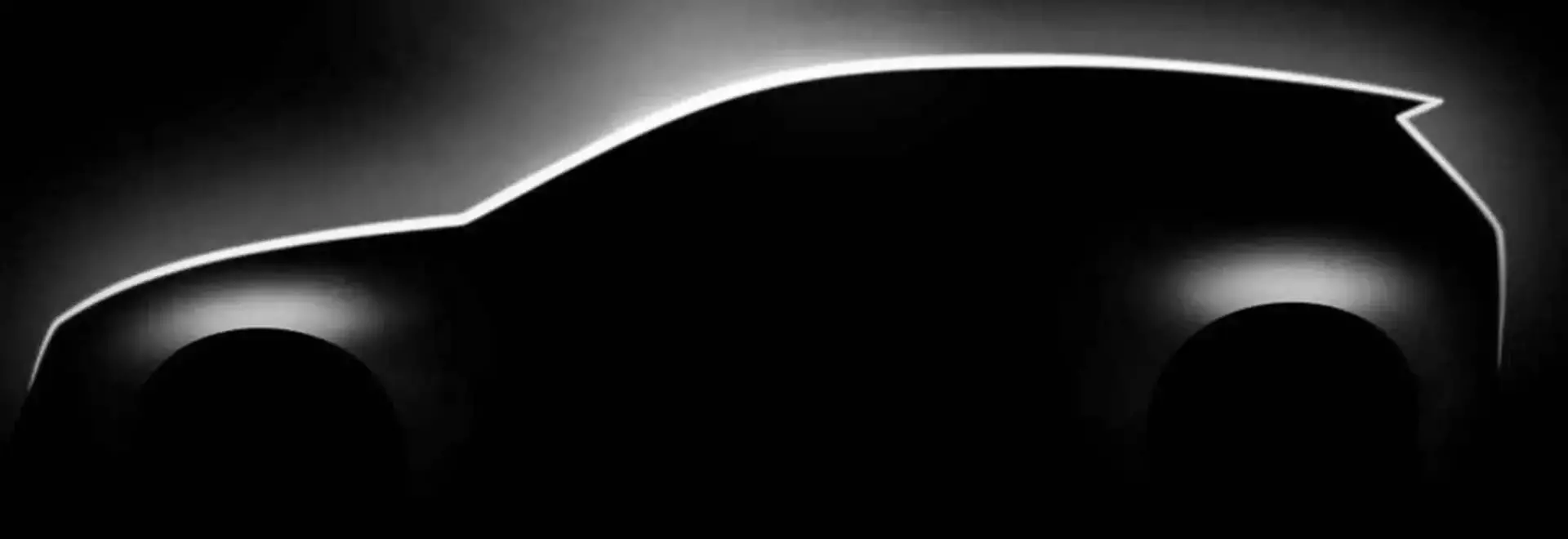
Volkswagen's Electric Golf Development Halted Due to Financial Strain
Volkswagen Faces Tough Choices: Financial Turmoil Puts Electric Golf on Hold
Volkswagen's Precarious Financial Standing: A Deep Dive into Recent Losses and Their Impact on Future Projects
After navigating turbulent waters in 2025, Volkswagen has encountered an even more challenging 2026. The third quarter of the current year saw the German automotive behemoth report staggering losses amounting to $6.6 billion. This substantial setback effectively eradicated the profits of nearly $4 billion from the second quarter and $2.8 billion from the first quarter, placing the company in a precarious financial position. The continuous string of operational hurdles, coupled with declining sales, intense market pressure in China, and internal friction with labor unions over mass layoffs, has forced Volkswagen to implement drastic cost-reduction strategies. Consequently, several ambitious projects are now under review, facing either postponement or complete cancellation.
The Electric Golf's Uncertain Future: Development Halted Amidst Volkswagen's Urgent Need for Cost Savings
In light of these considerable financial pressures, one prominent project that has been temporarily shelved is the development of the electric Golf. Thomas Schäfer, CEO of VW Passenger Cars, acknowledged the gravity of this decision during an earnings call, emphasizing the iconic status of the Golf within the Volkswagen brand and for its Wolfsburg headquarters. He stated that this was an exceptionally difficult choice for the company to make. The primary reason for this suspension is a critical shortage of funds to sustain the vehicle's development. Furthermore, Volkswagen's inability to meet its targeted cost-cutting goals, falling short by $336 million, exacerbated the situation. Achieving this target might have allowed for the continuation, or at least a moderated pace, of the electric Golf's development, but current circumstances prevent this. While the project is not outright canceled, the electric Golf faces a heightened risk of never reaching production if Volkswagen cannot extricate itself from its present financial quagmire. Should the company's fortunes improve, limited resources might be allocated to the project, though it would likely not be a top priority.
Mixed Signals in Volkswagen's EV Strategy: Successes in Subcompact EVs Contrast with the Electric Golf's Stalled Progress
This suspension represents a significant blow to Volkswagen's broader electric vehicle ambitions, particularly as its subcompact EV offerings have begun to gain traction. The ID. Polo, for instance, has garnered a substantial number of orders and has received positive feedback from critics, a stark contrast to Volkswagen's initial forays into the mass-market EV segment. The ID. Cross is also showing strong potential to become a major success for the brand across Europe. The electric Golf, likely to be branded as the ID. Golf, was poised to build upon the positive momentum generated by the ID. Polo and ID. Cross. However, this will not materialize in the immediate future, which is particularly disappointing given the considerable anticipation surrounding it just a few months prior. Previous reports indicated that the ID. Golf would draw aesthetic inspiration from the MK. 4 Golf and feature a control-rich interior similar to its subcompact EV counterparts. While the ID. Golf concept sounds promising, its future realization remains uncertain for the next few years, contingent upon the eventual resumption of its development. For now, Volkswagen's focus is squarely on addressing more immediate and pressing financial concerns.